
A Western Crew Meets the Eastern Establishment
The Boys in the BoatThis thread follows the social class conflict that shapes how Washington's working-class rowers are regarded on the national stage.
increasing Bearing strength in each event
 decreasing
Bearing strength in each eventdecreasingRowing's Elite Reputation
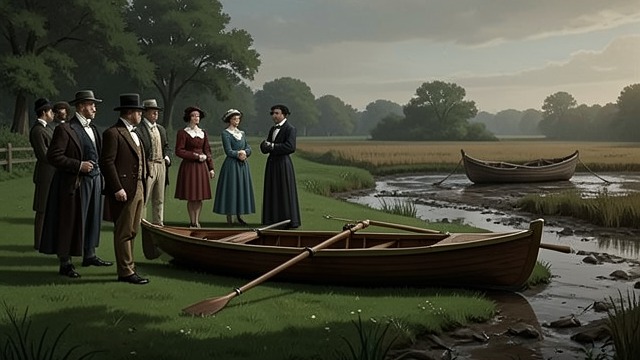
A Sport of Status
Eastern Traditions
Eastern private schools and universities treat rowing as a gentleman’s sport and draw support from wealthy alumni. The Hudson regatta becomes a national showcase for institutions with established privilege.
Western Difference
Washington’s rowers often come from farms, fishing towns, lumber camps, and working families. Their skill does not immediately overcome the assumptions attached to where they come from.
The First Western Challenges
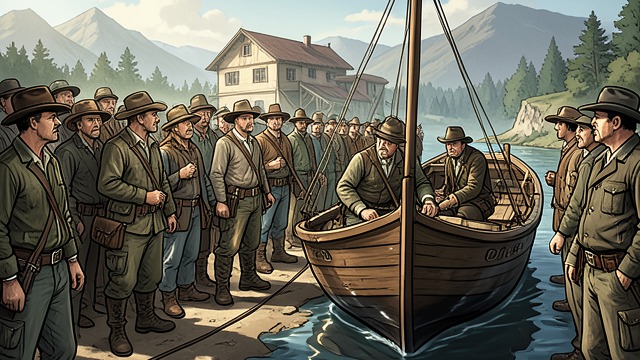
A New Presence on the Hudson
Arrival
Washington and other western crews begin entering eastern regattas. Their results draw surprise, while spectators question where Seattle is and whether its rowers really come from lumber camps.
Recognition
The 1923 Washington victory establishes that a western public university can win the national contest. The win earns attention but does not erase the condescension surrounding the team.
A Class Divide in the Shell House

Joe's Clothes and Hunger
Difference
Joe arrives at the University of Washington in worn, ill-fitting clothes while other students look polished and comfortable. Teammates tease him about his sweater and his poverty.
Endurance
The humiliation echoes years of scarcity, but Joe keeps coming to practice. Physical hardship is familiar; social exclusion is another reminder that he may not belong among wealthier students.
The Cost of the Olympic Journey

Money and Access
Demand
After qualifying, the Washington crew is told to raise its own travel money or lose its Olympic place. The problem exposes how much international sport depends on financial resources, not simply athletic merit.
Response
Seattle organizes a rapid fundraising drive, demonstrating local solidarity while revealing the unequal position of working-class athletes compared with wealthy programs.
The World's Best Crew
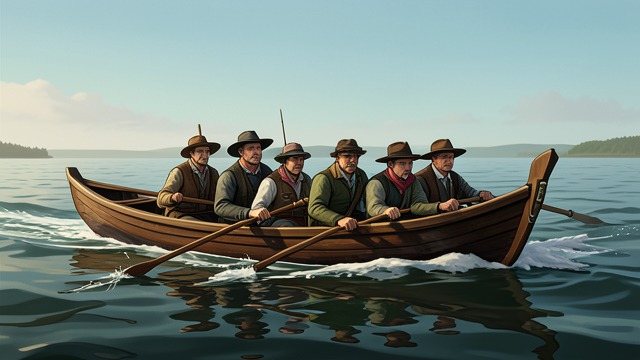
Reversal of Expectations
Performance
Washington rowers from modest backgrounds defeat the best crews in the world. Their success challenges the assumption that rowing excellence belongs only to old and wealthy institutions.
Nuance
The victory does not make the boys symbols without personal complexity. Their achievement grows from talent, discipline, and collective trust, not from poverty alone.
1920s
1912–1923
Autumn 1933
July 1936
August 1936
